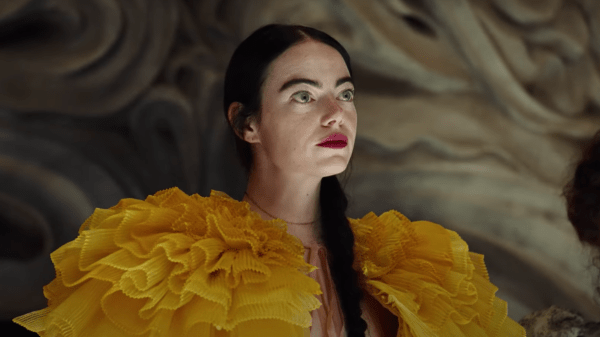
Greek filmmaker, Yorgos Lanthimos, reunited with Emma Stone to retell Alasdair Gray’s 1992 absurdist novel on the big screen, featuring Mark Ruffalo and Willem Dafoe, likewise. We follow the adventures of a female, Frankenstein monster. Namely, Bella Baxter: a young, pregnant woman who committed suicide due to an unhappy marriage and the pressures to become a loving mother, her body was recovered by scientific genius Dr Godwin, “God”. The brain of her unborn child was implanted into her skull creating a fully-grown, human infant, ready to undergo all of the trials and tribulations of what it truly means to be alive.
In usual style, Lanthimos establishes us into the weirdly, wonderful world of his protagonist in the most matter-of-fact way possible. It is never addressed how, or why, it is possible for Godwin to conduct these bizarre, sadistic experiments, the creation of Bella Baxter, or the pig-headed chickens that follow her, it just is. Magic realism in its most perfect form. The world is candid in its absurdity. What gives Lanthimos his allure, is his ability to satirize societal expectations of decorum, what should and “shouldn’t be done”, juxtaposed with the antithesis of the messy humanity which lurks beneath the surface. Whether it’s the sterile setting of “The Killing of a Sacred Deer”, or the laboratory of “The Lobster”, Lanthimos submerges his characters into ridiculously mannered settings, so when the grotesqueness of humankind inevitably seeps out… the viewer can only watch on with a coy smugness.
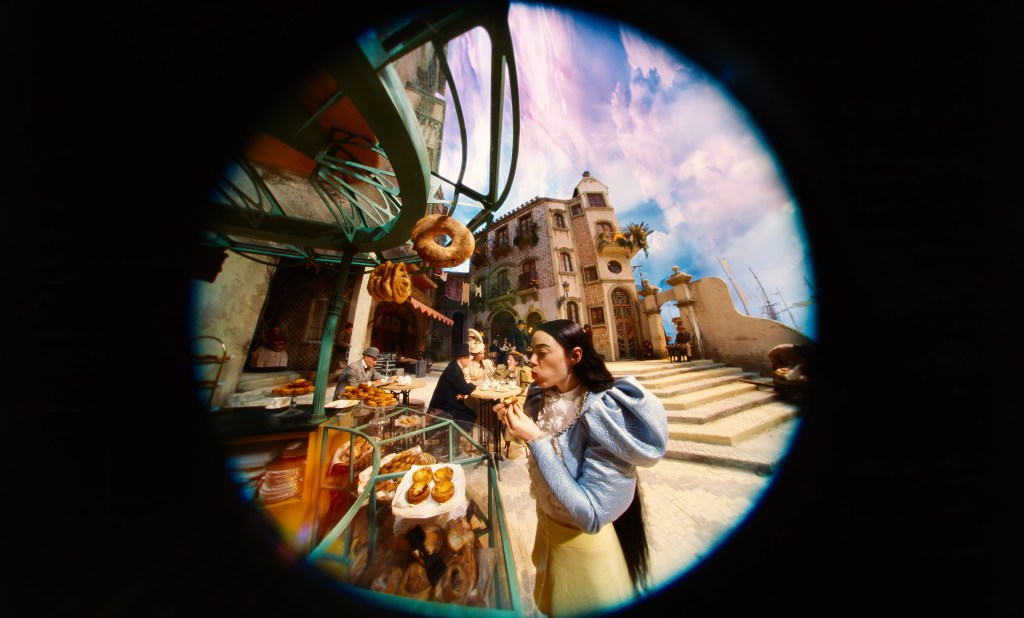
This absurdist world is only mirrored through Robbie Ryan’s spectacular cinematography. Poor Things sets itself in an era impossible to pin down, slightly Baroque, somewhat Victorian, often futuristic… it is equally confusing as it is captivating with the wacky colour palette and avant-garde use of costume. A cinematographic element I was particularly amused by was Ryan’s use of the fisheye lens, a nostalgic, dystopian troupe that alienates its audience whilst pumping us with adrenaline, desperate for more.

Emma Stone was stellar as Bella Baxter. Her physical performance was nuanced and attuned to tiny details: how she masters her untamed limbs as she matures was specific and embodied, and her sexual scenes (which the film wasn’t shy of) made sure that her body was adventurous and full of awe as she climaxes to sexual liberation.
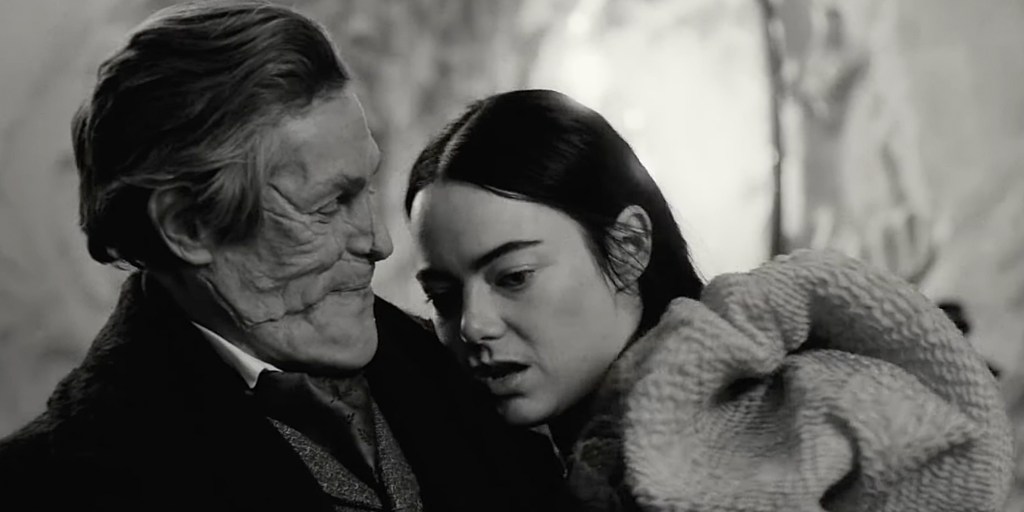
Many have argued that Poor Things is a feminist masterpiece. It’s undeniable that the story of a female protagonist learning what sexuality is on her way to enlightenment, is inherently socio-political, provoking taboo conversations around feminine sexuality and liberation. A topic notoriously hushed, so these are exciting conversations to be having. However, Lanthimos missed a key element, that had the potential to make a deeper comment on the oppression of sexually liberal women … that being, the sexual scandalization forced upon women from a universal, societal perspective. Absolutely, Bella receives quite the pushback from the men in her immediate circle, trying to keep her locked up in their mansions but, the reason women’s sexuality is so outlawed is because it is an all-consuming, societal expectation thrust upon women from the beginning of time, they should remain unattainably virtuous and purist, while men have always gotten a free pass? There is no evidence to imply Bella’s sexual awakening is not shunned by the plethora of wealthy aristocrats she meets in the cosmopolitan places she visits. Without a lack of outrage or pushback to Bella’s liberal lifestyle, what comment are we making? Is it easy to live uninhibited lifestyle? Are contemporary women wrong for feeling the shame society has, and will, always force upon them? It seems neglectful to the audience to imply one can easily reach enlightenment without any pushback. That all being said, it’s unquestionably exciting to put an unburdened, sexually realised woman on the big-screen in 2024, even if Lanthimos’ comment lacks a wider societal context.
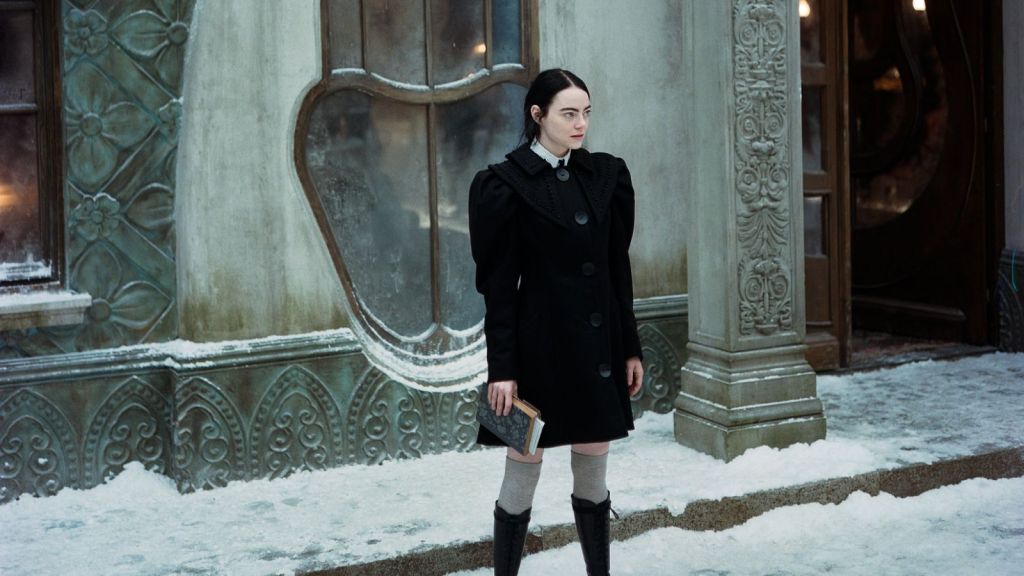
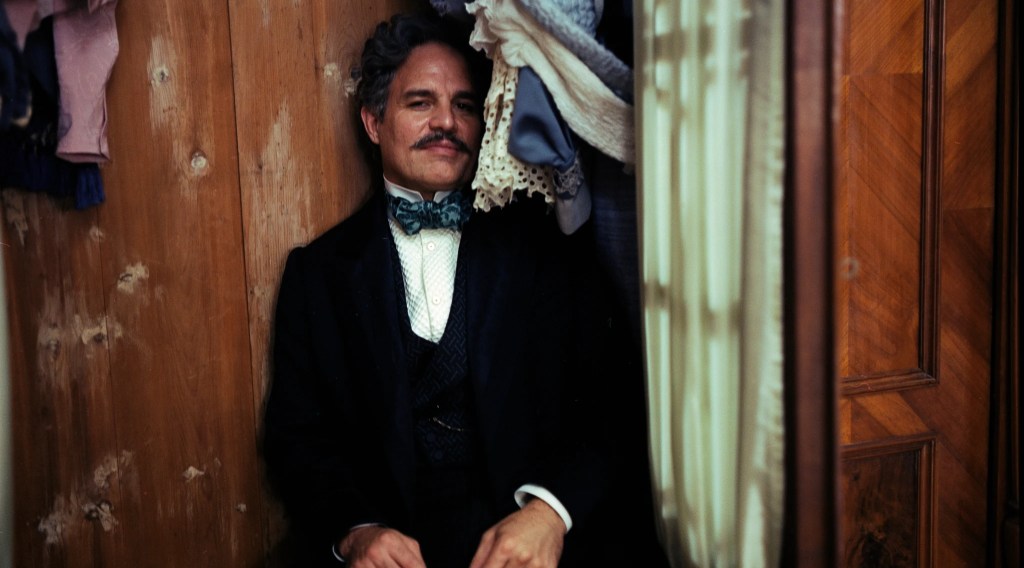
In the same league as Stone, Mark Ruffalo was hilariously uncouth in his role as Duncan Medderburn. His performance acquaints itself into Lanthimos’ wacky world perfectly. His money-hungry, malicious oppression of Bella is masked by his comedic lunacy, and this is the socio-political complexity the film needs for you to care for its absurdity.
Despite its weirdness, Poor Things is packed with a humanist heart that tells a tale known to us all. The desire to do good, to be good in a world full of corruption. At her core, Bella Baxter has the innate desire for human connection, a desire universally known by its audience. Her baffle at humanity’s capability to neglect is enough to spark visceral outrage. Maybe, Lanthimos has hacked storytelling. Maybe it’s the absurdist, ignorantly dismissed, wacky tales that pack the most empathy for the human experience, not the realist dramas Hollywood mass produces day by day.
Lucy Speer
5th of February 2024
 There Will be Spoilers